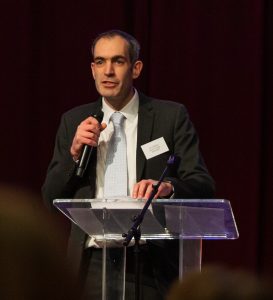
This article was kindly written for us by Ed Marsh, Senior Charity Adviser, Burton Sweet Ltd
Overseeing the preparation of the church’s year-end accounts has long been seen as the job of the church treasurer. After all, it’s all about the numbers, isn’t it?
But the truth is, the numbers are never enough.
The numbers alone cannot tell the full story of a church’s mission, ministry and impact. In charity accounts, the trustees’ annual report is arguably more important than the technical notes and disclosures. It provides an opportunity to tell a compelling story of God at work through your church.
That story needs to be told through words, stories and pictures, as well as numbers.
Together, the report and accounts should demonstrate the church’s purposes, aims and objectives, as well as its activities, achievements and impact.
The new Charities SORP 2026, effective for accounting periods beginning on or after 1 January 2026, brings into renewed focus the need for all trustees to be involved in their church’s public accountability and reporting.
While the new SORP contains plenty of technical accounting detail (and is around 50% longer than its predecessor!), the revised requirements for the trustees’ annual report in Module 1 are particularly significant. They will require the whole board to discuss and agree how the church will approach its reporting.
Among other things, the new SORP challenges trustees to answer some important questions:
These questions go to the very heart of the calling of Christ’s church. Leaving the treasurer to answer them as an afterthought, on top of the considerable work involved in reconciling the bank accounts and finalising the fund movements, is unlikely to produce the best report!
The trustee board and leadership team should both be involved in discussions about how best to meet these requirements. And it may take more than one discussion!
But this is about much more than meeting legal requirements. It is about honouring the commitment and generosity of your congregation and demonstrating that the church takes seriously its calling to make a difference in the community it serves.
Your church may be exempt from the SORP requirements because its income makes it eligible to prepare receipts and payments accounts. If that is the right decision for your church, the principle still stands. The need to tell the church’s story of impact and fruitfulness in a compelling way still points towards paying attention to Module 1, albeit as best practice rather than a requirement.
At Burton Sweet, we love helping churches tell their story well!
As well as preparing church accounts and providing independent examination and audit services, we offer bespoke training and guidance for trustees on a wide range of governance, finance, tax and charity law topics. Ask us about our trustee training, public benefit reviews and advice on the wide-ranging requirements of public reporting.
Most of our events and training sessions are free and open to churches and charities of all shapes and sizes. You can find out more and join our invitation list by visiting www.burton-sweet.co.uk/events.