The Chancellors Autumn Statement: ACAT perspective
November 28, 2023
Share this page:
topics:
The Chancellors Autumn Statement: ACAT perspective
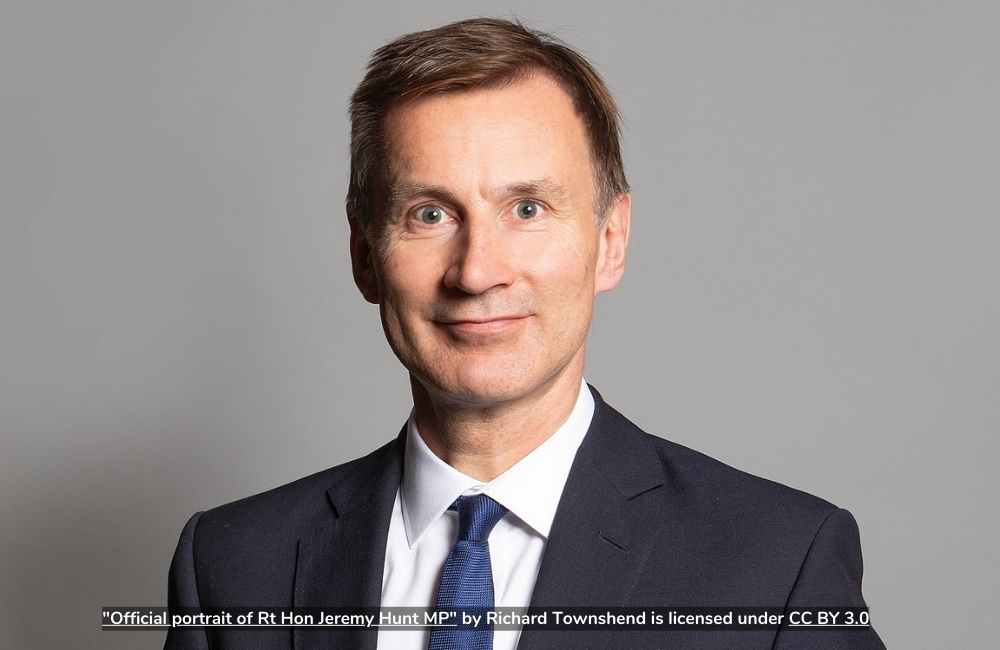
Having listened to various financial pundits and political commentators mulling over the Chancellor’s Autumn statement last week, I found myself asking the question, how does all this affect church treasurers and trustees?
What are the implications, if any, for the demands on our ministries and the resources needed to support them?
These brief observations are not those of an analytical economist but rather some thoughts to ponder and respond to where appropriate.
So, in no particular order:
Reduction in National Insurance Contributions – The estimated savings of £450 per year resulting from the 2% reduction are based on average full-time earnings of £35,400 per annum. With 3.6% of the workforce in zero-hours contracts, the impact of this reduction will not be felt by the lower paid. https://www.statista.com/statistics/414981/employees-with-zero-hours-contracts-share/
The increase in the living wage by £1 to £11.44 per hour is welcome but will be offset by the increased energy costs from next January when the price cap is lifted. A rise of 5% is expected.
Spending on public services is scheduled to be reduced by £19 billion and will affect local authority services which support the vulnerable.
Benefits will rise by 6.7%, but with inflation averaging 6.4% and unlikely to fall significantly until 2025. There is a strong argument that the lower-paid and/or those on benefits will continue struggling to make ends meet.
In addition, those dependent upon benefits will be under greater scrutiny and pressure to find work, which is likely to affect an individual’s mental welfare.
The state pension will rise by 8.5% in April, benefiting those wholly dependent upon this and those with occupational pensions or significant investments.
Some conclusions
Overall, this budget can be considered, at best, neutral for individuals with average earnings or above. For those at the lower end of the income scale, life will continue to be a struggle. The impact of this is likely to be continued pressure on church income.
The personal budgets of church members will be stretched, but that should not preclude a challenge to those who can increase their annual giving. Don’t be afraid to ask.
Churches may also find an increased dependency on food banks, which they either provide as part of their ministry or support locally. Church facilities such as drop-in cafes are also likely to be in increased demand.
The central message I take from this is that “the strong must help the weak.”
As Advent approaches, followed by Christmas celebrations, there will be church services galore. Perhaps this is a time not just for attending services but to serve and support the community in which we live in very practical ways, hospitality, a warm space, a welcome.